Choosing new windows is not just about finding a design that looks good from the outside. The right windows can make your home warmer, quieter, more secure and more comfortable throughout the year. Get the choice wrong, though, and you could end up with windows that don't suit your property, require more maintenance than expected or fail to deliver the performance you wanted.
If you're considering replacing your existing windows or upgrading your home, there are a few things worth thinking about before making a decision. From choosing between uPVC and aluminium to understanding glazing, window styles and energy efficiency, this guide explains what to look for and how to find the right option for your property.
The Short Answer
The best windows for your home depend on your property's style, your budget, energy efficiency requirements and how much maintenance you're comfortable with. uPVC windows are a popular choice for homeowners looking for good insulation and low maintenance, while aluminium windows offer slim frames, strength and a contemporary appearance.
You'll also need to consider the type of glazing, security features, ventilation and the quality of installation. Looking at all these factors together will help you choose replacement windows that suit your home for years to come.
1. Start With the Style of Your Home
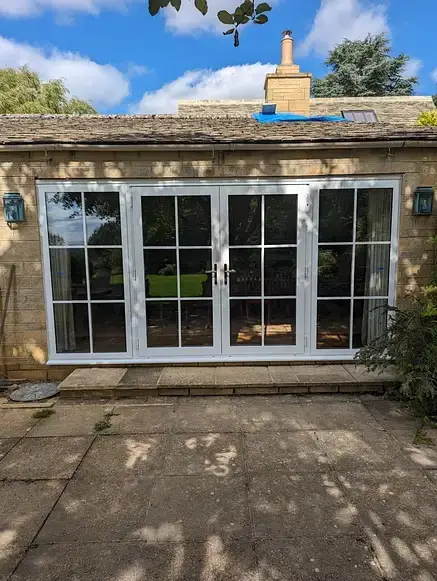
Before comparing materials or prices, take a look at your property. The windows should complement the overall appearance of your home rather than look like an afterthought.
A modern property may suit larger glazed areas, slim frames and clean lines, while a traditional home might look better with window designs that retain its original character.
Think about the following:
- Modern homes: Slim aluminium frames and larger glazed sections can create a clean appearance while allowing more natural light into your rooms.
- Traditional homes: Consider window designs, colours and frame finishes that complement existing architectural features.
- Period properties: Pay particular attention to the original window proportions, opening styles and materials. Some properties have restrictions on what can be replaced.
Colour is another detail worth considering. White remains a popular choice, but other finishes can help create a different look. Anthracite grey, for example, can give a property a more contemporary appearance, while wood-effect finishes may suit homes with a more traditional character.
The aim is to choose windows that look right both inside and outside your home.
2. Choose the Right Window Frame Material
One of the biggest decisions when buying new windows is choosing the frame material. Two popular options are uPVC and aluminium, and each offers different advantages.
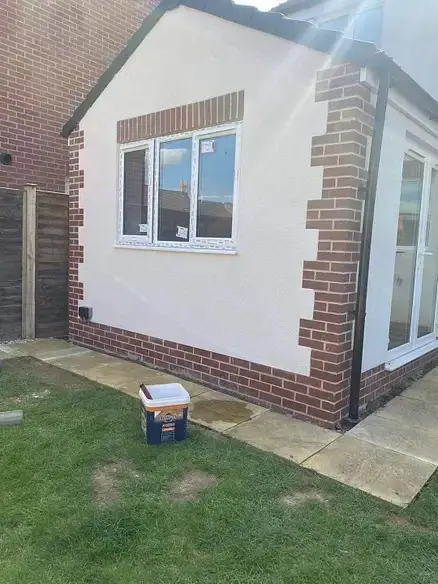
uPVC Windows
uPVC windows are widely used in UK homes because they offer a practical balance of affordability, insulation and ease of maintenance.
Their main benefits include:
- Good thermal insulation: Modern uPVC window systems are designed to help reduce heat transfer and keep indoor temperatures more comfortable.
- Low maintenance: Unlike timber, uPVC does not need regular painting or staining. General cleaning is usually enough to keep the frames looking presentable.
- Weather resistance: Quality uPVC frames are designed to withstand everyday exposure to rain, wind and changing temperatures.
- Versatile designs: They are available in different colours, finishes and styles to complement a variety of properties.
For homeowners looking for practical, energy-efficient replacement windows without a demanding maintenance routine, uPVC is worth considering.
Aluminium Windows
Aluminium windows are another popular option, particularly for homeowners who prefer a more contemporary appearance.
They offer several advantages:
- Slim sightlines: Strong aluminium frames can accommodate slimmer profiles, allowing more glass and natural light.
- Strength and durability: Aluminium is a strong material that can provide a robust window frame.
- Modern appearance: Its clean lines work particularly well in contemporary homes and renovations.
- Design flexibility: A range of colours and finishes makes it easier to coordinate windows with the rest of your property.
Aluminium windows can also be thermally efficient when manufactured with appropriate thermal breaks and modern glazing systems. It is worth checking the performance of the complete window rather than judging the frame material alone.
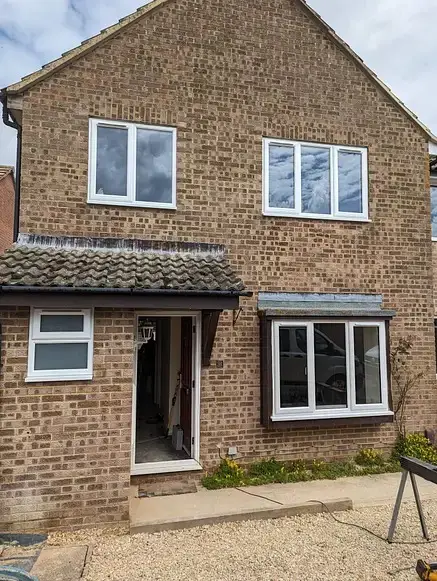
So, Which Is Better: uPVC or Aluminium?
Neither material is automatically the better choice for every home.
If keeping costs manageable and reducing maintenance are your main priorities, uPVC may be the more practical option. If you want slim frames, a contemporary finish and a strong window system, aluminium may be more suitable.
Our window and door installation service includes both uPVC and aluminium windows, giving homeowners different options depending on their property and requirements.
Double Glazing
Double-glazed windows contain two panes of glass separated by a sealed gap, which is commonly filled with an insulating gas. This arrangement helps reduce heat transfer compared with traditional single glazing.
For many homeowners, double glazing offers a good balance of insulation, comfort and affordability.
Benefits include:
- Helping reduce heat loss through windows.
- Making rooms more comfortable during colder weather.
- Reducing some outside noise.
- Improving the overall performance of older windows.
Triple Glazing
Triple glazing uses three panes of glass instead of two, creating additional insulating layers.
Depending on the window design and specification, it can provide improved thermal performance and noise reduction. However, it is not automatically the right choice for every property.
Consider the overall cost, frame compatibility, glass specification and the actual performance improvement before deciding whether triple glazing is worthwhile.
How Do You Know Which Glazing to Choose?
Think about where you live and what you want to improve.
If your current windows allow noticeable heat loss, modern double glazing may already make a meaningful difference. If you live near a busy road or have particular insulation requirements, it may be worth discussing higher-performance glazing options.
Our glazing services include double and triple glazing, replacement sealed units and solutions for damaged or misted glass.
4. Look at Energy Efficiency Before Buying
Nobody wants to invest in new windows only to discover that their home still feels cold and uncomfortable.
This is why energy efficiency should be one of your main considerations when comparing replacement windows.
A window's thermal performance depends on several factors, including the frame, glazing, spacer bars, seals and overall construction.
Here are a few things to check:
- Window energy ratings: Look for independently assessed energy performance information. Window Energy Ratings can help you compare how efficiently different products perform.
- U-values: These measure how quickly heat passes through a material or complete window. A lower U-value generally indicates better insulation.
- Low-emissivity glass: Often called low-E glass, this has a special coating designed to reduce heat transfer.
- Quality seals: Properly fitted seals help reduce draughts and unwanted air leakage.
- Installation quality: Even a high-performance window can underperform if it is poorly installed.
It's worth comparing the specifications of the complete window rather than relying on marketing descriptions such as energy-saving or high-performance.
The Energy Saving Trust provides further guidance on improving home energy efficiency and reducing heat loss.
5. Consider Security Features
Windows are an important part of your home's security, so don't overlook the locking systems and hardware when choosing replacements.
Modern windows can incorporate features designed to make unauthorised entry more difficult.
Depending on the window system, consider:
- Secure locking mechanisms.
- Multi-point locking where available.
- Strong hinges and durable handles.
- Appropriate safety glazing in vulnerable locations.
- Hardware that meets relevant security standards.
You should also consider how easily the windows can be operated from inside. Good security should not come at the expense of everyday convenience or safe emergency access.
Ask your installer what security features are included as standard and whether additional upgrades are available.
6. Choose a Window Style That Works for Your Space
Window style affects more than appearance. It also influences ventilation, cleaning, accessibility and how you use each room.
Some common styles include:
Casement windows
Casement windows are hinged at the side and open outwards. They are a familiar choice for many UK homes and offer straightforward ventilation.
Tilt and turn windows
These windows offer different opening positions, allowing ventilation through a smaller opening or wider access when needed. Availability depends on the window system you choose.
Sliding sash windows
Often associated with traditional properties, sliding sash windows move vertically and can help maintain a classic architectural appearance.
Fixed windows
These windows do not open. They are useful where the main priority is allowing natural light into a room rather than providing ventilation.
The right style depends on the room, available space, property design and practical requirements. For example, a window above a kitchen worktop may need a different opening arrangement from one in a bedroom.
7. Think About Maintenance and Long-Term Durability
New windows are a long-term investment, so it makes sense to think beyond the initial installation price.
Different materials and window systems have different maintenance requirements.
uPVC windows are generally easy to maintain. Regular cleaning with suitable products and occasional checks of the hinges, handles and seals can help keep them in good working order.
Aluminium windows also require relatively little maintenance. Keeping the frames clean and checking moving parts and seals can help maintain their performance.
Whichever material you choose, don't ignore small problems. A stiff handle, damaged seal or window that no longer closes properly may seem minor, but leaving it unresolved can affect security and comfort.
If an existing window develops a fault, replacement may not always be necessary. Our window and door repair service covers issues including faulty locks, damaged hinges, worn seals, misted double-glazed units and windows that are difficult to operate.
8. Don't Choose Based on Price Alone
It's understandable to compare quotes when looking for replacement windows. However, the cheapest option isn't necessarily the one that offers the best value over time.
A very low quotation may not include the same glazing specification, frame quality, hardware or installation work as another company's proposal.
Before agreeing to anything, check:
- What type of window frames are included?
- What glazing specification will be supplied?
- Are the measurements and installation requirements included?
- What locking systems and hardware are provided?
- Are removal and disposal of old windows included?
- What warranties or guarantees apply?
- Who will handle the relevant building regulations compliance documentation?
Ask for a clear, itemised quotation so you can compare like for like.
At LJS Windows & Doors, we offer free, no-obligation quotations and help homeowners understand the available options before deciding what works best for their property.
9. Choose an Experienced Window Installer
Even the best replacement windows won't perform as expected if they aren't measured or installed correctly.
Poor installation can lead to draughts, water ingress, difficulty opening and closing windows, and problems with the seals.
When choosing a window installer, look beyond the price and consider their experience, certifications, workmanship and customer service.
A few questions worth asking include:
- How much experience do you have installing replacement windows?
- What products and frame materials do you supply?
- Are you able to advise on the best options for my property?
- What happens if an issue develops after installation?
- What compliance certificates or documentation will I receive?
LJS Windows & Doors is a family-run business with over 10 years of experience and Assure Certification. Our installation process starts with a free consultation and quotation, followed by a survey and product selection before professional installation.
We work with homeowners across Cheltenham, Gloucestershire, Oxfordshire, Wiltshire and surrounding areas.
Do You Need Planning Permission to Replace Your Windows?
This is something worth checking before arranging your window replacement.
In England, replacing windows in a typical house will often fall under permitted development, meaning a separate planning application may not be necessary. However, this isn't the case for every property.
Additional restrictions may apply if:
- Your property is a listed building.
- Your home is within a conservation area.
- Permitted development rights have been removed or restricted.
- The proposed changes go beyond straightforward replacement work.
Building Regulations are a separate consideration. Replacement windows generally need to meet applicable requirements for matters such as energy efficiency, ventilation and safety. GOV.UK explains when building regulations approval is required and how registered competent person schemes can apply.
If your home is listed or has historic features, Historic England recommends considering the repair and retention of original windows wherever possible.
Before committing to replacement windows, check with your local planning authority and establish what permissions or compliance requirements apply to your property.
Find the Right Windows for Your Home with LJS Windows & Doors
Choosing new windows doesn't have to be complicated. Once you've considered your property's style, the frame material, glazing, energy efficiency and budget, it's much easier to narrow down the options.
Whether you're replacing a few outdated windows or planning a complete home upgrade, we can help you find a solution that suits your requirements.
At LJS Windows & Doors, we supply and install quality uPVC and aluminium windows, along with a range of glazing solutions for homeowners across Cheltenham, Gloucestershire, Oxfordshire, Wiltshire and the surrounding areas.
Ready to explore your options? Get in touch with our team on 0800 208 6730 to discuss your requirements and arrange your free, no-obligation quotation.
Frequently Asked Questions
What are the best windows for a house in the UK?
The best windows depend on your home's design, budget and performance requirements. uPVC windows are a popular low-maintenance option with good insulation, while aluminium windows are valued for their strength and slim frames. Both can offer excellent performance when properly specified and installed.